
Instant-Win Game Mechanics
- Home
- Game Mechanics
- Instant-Win Game Mechanics
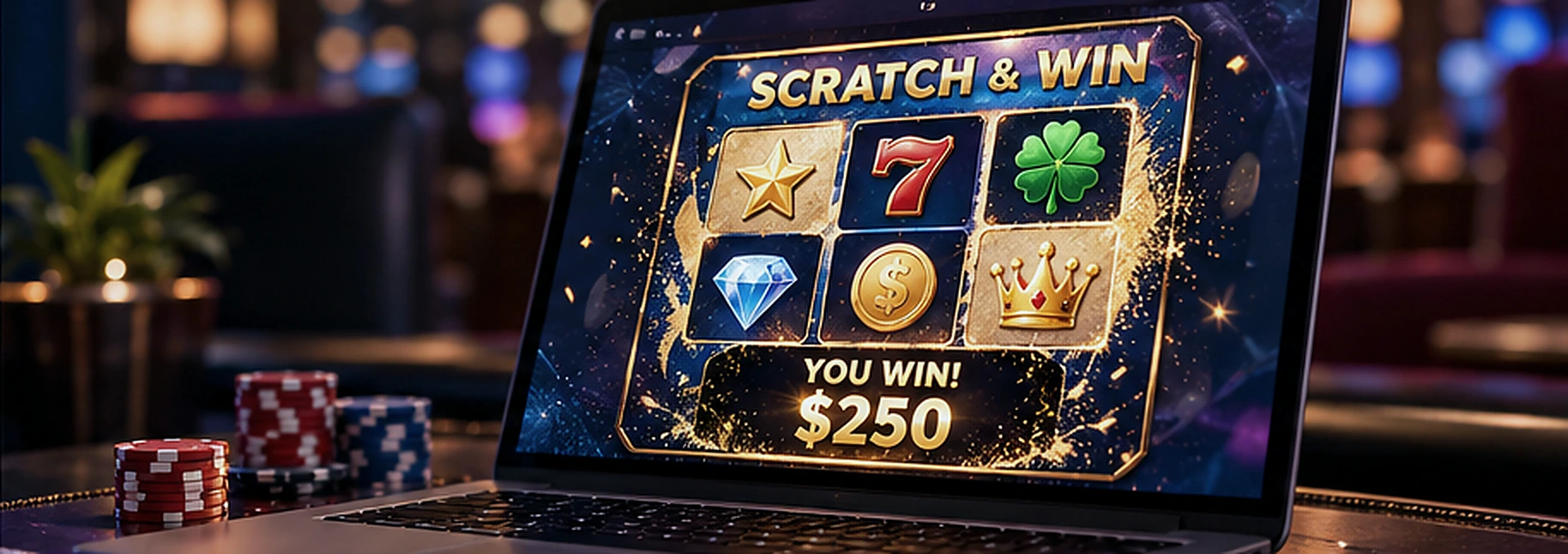
What Counts as an Instant-Win Game?
Instant win describes the speed of revealing a result, not a single type of game. The label covers regulated lotteries, online casino games, and consumer promotions. Their award systems and U.S. legal treatment differ.
| Format | Typical result model | What the player does |
|---|---|---|
| Retail scratch-off lottery tickets | Prizes printed into a finite ticket inventory | Scratch latex coating to uncover symbols, numbers, or a bonus |
| iLottery eInstants and digital scratch cards | Certified RNG or a pre-generated outcome pool, depending on game rules | Tap, swipe, match, reveal, or enter a themed bonus sequence |
| Casino instant games | Usually RNG; some offer cryptographic result verification | Roll dice, drop a Plinko ball, select Mines tiles, or cash out during a crash round |
| Promotional instant-win sweepstakes | Preassigned game pieces, winning moments, or a documented random-award method | Spin a wheel, scratch a virtual card, enter a code, or complete a branded interaction |
A lottery draw has a scheduled result; a scratch-off reveals an existing result. Slots, bingo, instant Keno, and live wheels may look similar, but their rules and timing are not necessarily the same.
From the 1974 Scratch-Off to Digital Instant Games
A physical reveal becomes a lottery category
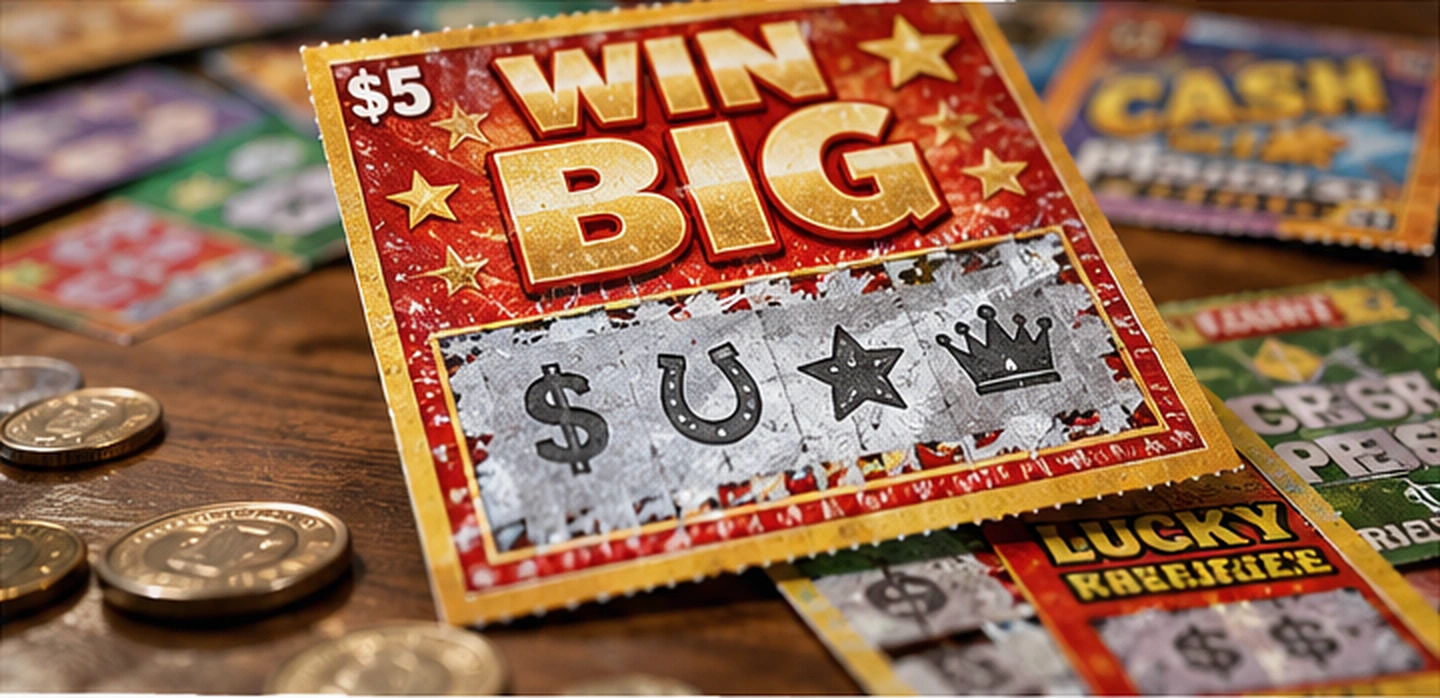
In 1974, the Massachusetts Lottery sold a secure instant lottery game produced by Scientific Games, as documented by the World Lottery Association. A player no longer waited for a scheduled draw. The opaque coating concealed a preprinted outcome, and match-three, winning-number, and prize-symbol patterns made the reveal itself the game.
Printed tickets acquired themed artwork, new price points, multipliers, win-all symbols, crossword and bingo variants, and second-chance drawings. Licensed intellectual property distinguished games with similar prize structures. Scientific Games, Pollard Banknote, and other suppliers developed ticket security, printing, distribution, and cross-channel promotions while lotteries adjusted prize mixes.
Internet distribution changes the interface
The first major digital shift replaced the coin and latex with a screen. Bwloto traces its team’s digital scratch-card work for Denmark’s Danske Spil through Betware to 2003 - a supplier-reported milestone rather than a claim to the world’s first online scratch game. Online lottery catalogs then added electronic instant games, or eInstants, alongside retail tickets and draw products.
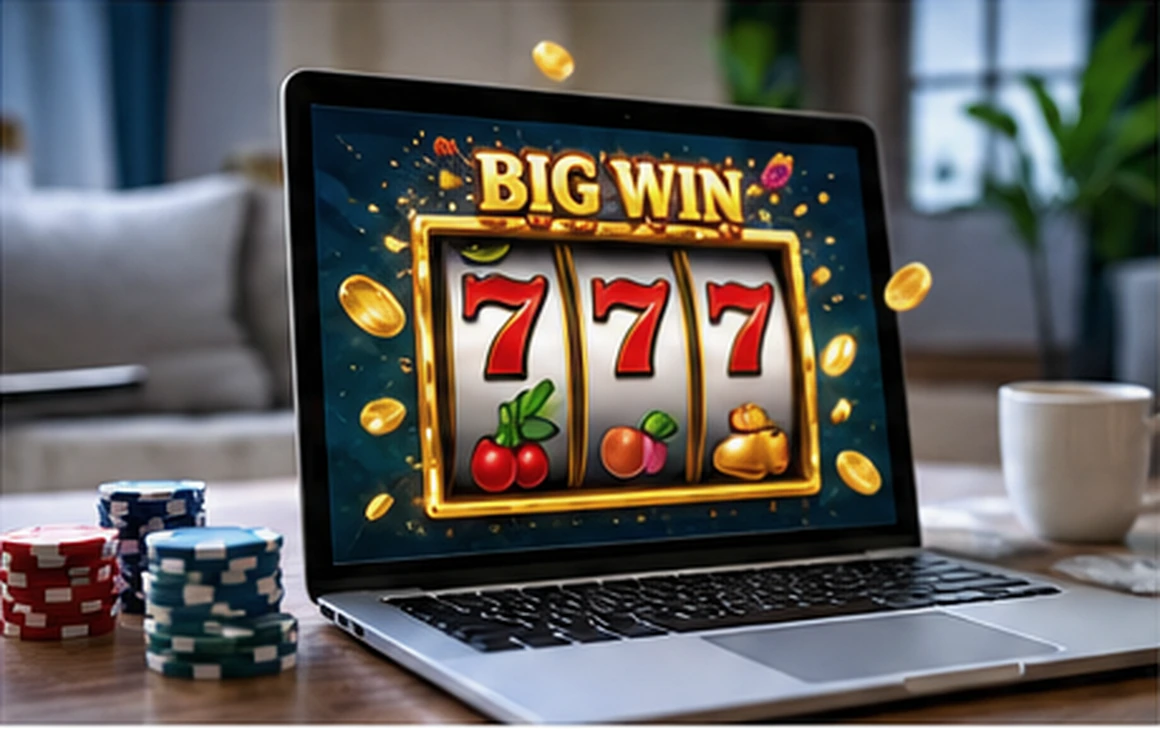
HTML5 and mobile browsers enabled touch-based reveals, animations, and sound effects. A remote game server (RGS) can serve titles through iLottery accounts and operator platforms, separating the game's outcome logic from its storefront.
From simple reveal to layered play
In 2014, Instant Win Gaming (IWG) introduced Pairs for the UK National Lottery. The matching-pairs activity looked like a memory game, although it remained an instant-win reveal. In 2020, IWG announced progressive-jackpot eInstants, with Jungle Jackpots and its symbol-cluster mechanic among the launch examples. In 2022 came InstantBoost, a feature system capable of activating additional symbol rows, prize tiers, or jackpot eligibility when specified conditions were met.
In 2025, IWG’s Wheel Spin Spectacular launched with the New Hampshire Lottery, offering wheel-based presentations and choices between multipliers and bonus features; its RumblePlay technology added synchronized device vibrations to Gorilla Shake for the North Carolina Education Lottery. These controls change the experience; the approved rules determine whether choices change the award.
The Mechanism Beneath the Animation: How Winners Are Determined
Two distinct systems shape many instant games: the outcome engine, which fixes the result, and the presentation layer, which shows it. A cash-out decision may add a third layer that changes the payout.
Finite ticket pools and pre-generated outcomes
Printed scratch-offs come from a finite inventory of prizes and nonwinning tickets; that inventory changes as tickets sell. Digital lotteries sometimes use pre-generated prize pools too. Those pools may be depleting, in which outcomes are consumed, or non-depleting, in which outcomes are replenished. Only the game rules establish which model applies.
RNG-based eInstants and independent rounds
Some eInstants use a certified RNG to assign an outcome when the player buys a round. The Pennsylvania Lottery's published internet instant-game rules cover RNG selection, fixed and progressive prizes, and depleting or non-depleting pools. For the games governed by that notice, the outcome is determined at purchase and the player's taps or choices do not change the prize. Other jurisdictions and games may use different approved models.
Three matching icons, a chest opening, or a digital wheel stopping may look like decisions unfolding on screen. In a predetermined-outcome game, they show a prize already assigned. Scratching a corner first or selecting a supposedly lucky symbol cannot improve the odds.
Cash-out games are different
In a crash game such as SPRIBE's Aviator, a multiplier rises until a random crash point. Cash out before it crashes or generally lose the stake. In Mines, revealing safe tiles can increase a potential payout, while uncovering a mine ends the attempt. Chance determines the underlying result, but a stop decision may change the amount paid. Auto cash-out automates timing, not prediction.
Some titles offer provably fair verification using a server seed, client seed, and cryptographic hash for players to verify a result after the round. That is different from independent lab certification. Regulated operators may require testing by organizations such as Gaming Laboratories International (GLI), BMM Testlabs, or iTech Labs, plus approval of game mathematics and operational controls.
How the Core Game Mechanics Expanded
Player control differs sharply among instant games. In a scratch-off, the player reveals a result; in Mines or crash, a decision about when to stop can alter the payout.
| Mechanic | Typical interaction | Design distinction |
|---|---|---|
| Scratch, match-three, number match | Reveal symbols or compare “your numbers” with winning numbers | Strong continuity with retail scratch-offs; outcome often fixed before reveal |
| Crossword, bingo, Slingo | Fill word or number patterns; Slingo combines slot-style reels with a bingo grid | Longer reveal sequence and recognizable board-game conventions |
| Plinko and ball-drop games | Drop a ball through pegs into multiplier slots | Visual physics presentation; risk settings and payout distribution vary by title |
| Mines and pick-and-reveal | Select tiles, avoid hidden mines, decide whether to cash out | Successive choices change exposure to risk within a round |
| Crash and multiplier climb | Cash out before a randomly timed crash | Timing changes realized payout, not the randomness of the crash point |
| Dice, coin flip, Limbo | Choose a side, threshold, or target multiplier | Minimal animation; prominently mathematical odds |
| Wheels, Lucky Tap, one-touch reveals | Spin, tap, or reveal a prize icon | Fast feedback; may be digital RNG, preassigned promotion, or live game show |
Aviator from SPRIBE and Football X from SmartSoft Gaming use crash-style multipliers. BGaming has Mines variants; Evoplay's Plinko Blast uses a ball-drop interface, while Design Works Gaming has used the one-touch LuckyTap and UltraTap formats. Rainbow Riches Slingo from Slingo Originals combines bingo patterns with slot conventions. Evolution's Dream Catcher and Crazy Time are live-wheel games rather than ordinary eInstants. A shared visual style does not establish identical odds, payout rules, or legal status.
Bonus rounds, multipliers, and jackpots
Digital eInstants can combine mystery or wild symbols, cascading wins, clusters, multipliers, and pick-your-feature rounds. Fixed or progressive jackpots add distinct prize tiers; a large jackpot display says nothing about the chance of winning it.
The former IGT lottery business, now called Brightstar Lottery, has featured titles including Emoti Collect, Ruby 7s, and Pots O' Plenty. Licensed themes such as Wheel of Fortune or Cleopatra can distinguish games visually, but the paytable determines their value.
RTP, Hit Frequency, Volatility, and the Odds of a Win
A large advertised prize reveals little about the value of a game. Four measures describe different parts of its payout structure:
Instant-Win Progression: Mechanism Evaluation
- Return to player (RTP) is the theoretical percentage of total money wagered returned as prizes over a sufficiently large number of plays. An 80% theoretical RTP represents an expected $80 in total awards per $100 wagered across the game model, not a forecast for one person's next session.
- House edge is the complement of RTP when both use the same stake-and-payout definition. At 80% RTP, the theoretical edge is 20%. Different price points and bonus arrangements can have different math.
- Hit frequency is the proportion of rounds that award any prize. A $1 prize on a $2 ticket may count as a hit even though the player has a $1 net loss.
- Volatility describes how the distribution of payouts varies. A lower-volatility title tends toward smaller, more frequent awards; a higher-volatility design concentrates more of its return in rarer, larger outcomes.
Two games can share 80% RTP while paying out very differently. One may deliver small prizes often; another may reserve much of its return for rare large prizes. Neither a 10x multiplier nor a progressive jackpot proves that a game offers better value.
For U.S. lottery tickets, compare the purchase price, published odds, payout structure, and remaining top prizes where the operator provides them. Casino games may publish RTP and maximum multipliers separately. Sweepstakes need rules explaining how winners and awards are selected. There is no meaningful RTP benchmark shared by all three.
What Mobile-First Design Changed - and What It Did Not
On a phone, readable prize amounts and easy-to-use controls usually matter more than elaborate animation. Taps, swipes, vibration, and brief bonus sequences can make a result easier to follow, even when none changes the underlying award.
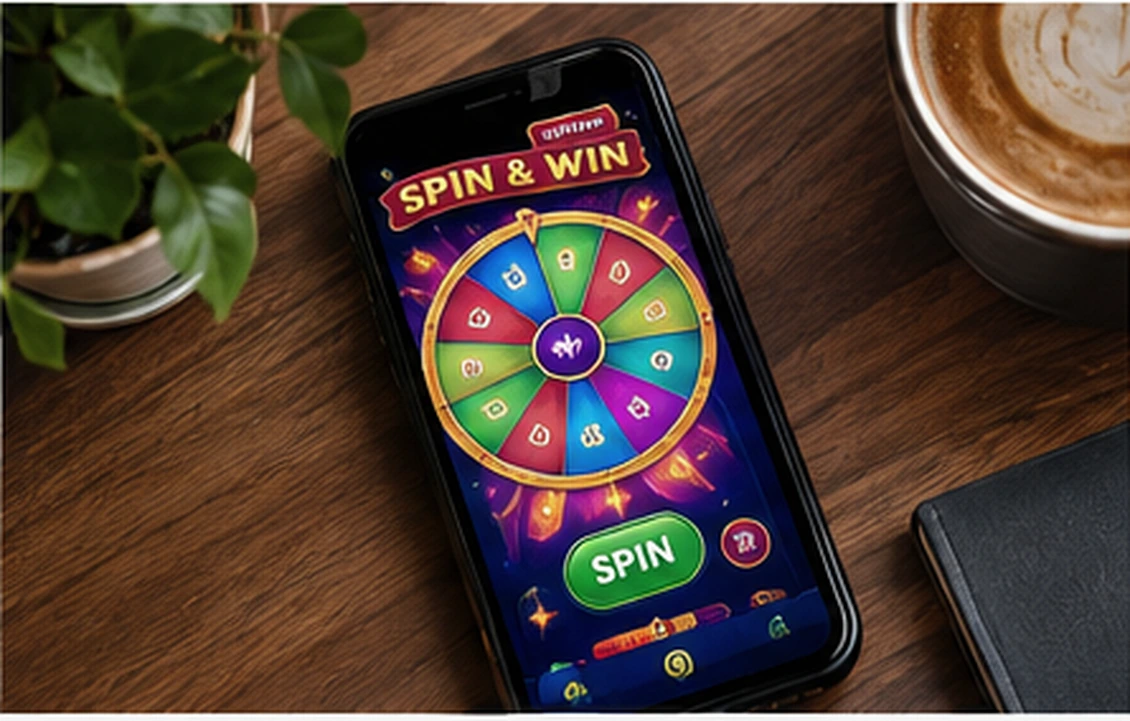
At a 2022 European Lotteries event, IGT identified portfolio variety, player experience, prize structure, and price points as eInstant design levers. Crosswords, bingo, arcade rounds, and jackpot-led games serve different preferences. None is easier to beat simply because its presentation is more interactive.
Retail tickets may direct players to second-chance drawings, loyalty programs, and QR-code experiences. In 2026, Pennsylvania's Candy-Coated Ca$h ticket included a Scratch Connect spot linking to a digital Sweet Surprise prize-reveal sequence. An earlier LOTERÍA augmented-reality second-chance promotion extended a ticket onto a phone. An added reveal animation does not guarantee an extra prize.
Promotional games use familiar actions such as spinning, scratching, tapping, and answering trivia. Their connection to customer relationship management (CRM), customer data platforms (CDPs), loyalty systems, or first-party analytics measures marketing performance, not the participant's odds.
The Trade-Off: Faster Feedback, More Responsibility
Fast results also shorten the time between wagers. Near misses, sounds, small prizes, and conspicuous “play again” controls may encourage another round. A near miss does not make the next result more likely, and a prize below the stake is a net loss.
The Behavioural Insights Team audited ten operators' mobile applications and found promotions more prominent than risk messages, odds hard to locate, and some interfaces that encouraged more play while complicating exit. Those observations do not describe every instant-win game.
Odds and prize tables should be as easy to reach as the play button. Spending limits, session reminders, transaction histories, self-exclusion, age checks, and accessible exits help players monitor costs. Autoplay should not obscure a round's price or result; loyalty points do not change a game's mathematical expectation.
How U.S. Rules Shape Instant-Win Mechanics
U.S. rules depend on the product and jurisdiction. State lotteries, licensed online casinos, and promotional sweepstakes operate under different requirements. An overseas casino title may be unavailable in a U.S. state, and not every state offers lottery eInstants.
U.S. lottery analysis often centers on the presence of prize, chance, and consideration. An appropriately structured free entry or alternate method of entry (AMOE) may address consideration; a spinning graphic cannot establish legal compliance. Timing-based prizes, pre-seeded boards, prize codes, and randomized game pieces still need clear eligibility rules, disclosures, winner verification, and state-specific review. Trivia still involves chance if the award or winning board is randomly assigned.
Before playing, check the operator, purchase price, outcome method, prize schedule, rules, testing information, and age or location restrictions. RNG certification neither guarantees a win nor proves that an unrelated website is licensed.
Where Instant-Win Mechanics Go Next
Haptic feedback, configurable bonus rounds, mobile delivery, and retail-to-digital second chances are already in use. They can change how a result feels without changing the audited award mechanism.
Augmented reality and AI-assisted personalization may influence how games are presented. The consequential distinction is whether a feature clarifies the rules or encourages additional play.
Instant-win games have not simply evolved from luck into skill. A player may only reveal a preassigned prize, or may decide when to end a chance-based round. The rules for outcome generation and cash-out identify what the player can actually control.
The 'Reveal All' Button Paradox in Session Longevity
Telemetry across 250,000 instant-win sessions reveals that introducing a prominent 'Reveal All' quick-play button increases bet velocity by 38% initially, but accelerates session termination by 22%. Maintaining tactical suspense through progressive sound cues and tactile haptic feedback sustains longer, healthier user engagement.
Frequently Asked Questions
Does scratching a digital card differently change the result?
Usually not when the game assigns a prize before the reveal. Swiping or tapping exposes that outcome. Check the game's rules, because an interactive screen alone does not identify the outcome model.
Are instant-win games the same as slots?
No. Slots, scratch-offs, eInstants, Plinko, Mines, and crash games may use comparable symbols or RNG systems, but they are different formats and can fall under different rules.
Can you improve the odds by waiting for a win or changing your bet?
Changing a bet may change eligible prize tiers or award sizes under the rules; it does not predict an independent RNG draw. A game is not “due” for a win. Finite ticket inventories have different rules.
What is the difference between RTP and odds of winning?
RTP is expected prize return relative to stakes across many plays. Win odds describe the chance of receiving a particular prize or any prize. Frequent low-value wins do not necessarily mean a higher RTP.
Are online instant-win games legal everywhere in the U.S.?
No. Eligibility depends on the state, operator, and game design. Lottery eInstants, online casinos, and promotional sweepstakes follow different rules.