
Live Casino Tech: Tables to Game Shows
- Home
- Live Casino & Transparency
- Live Casino Tech: Tables to Game Shows
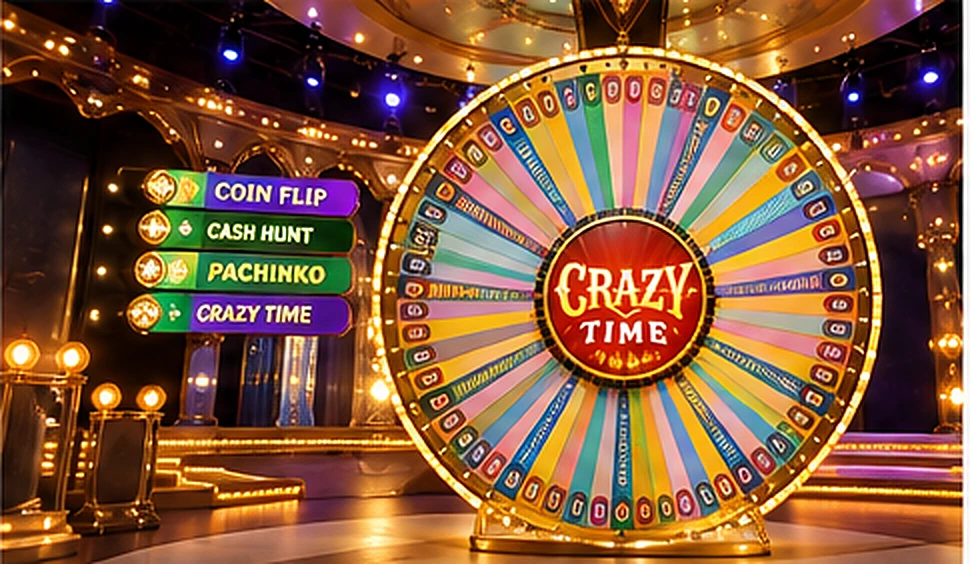
Live casino products bridge physical casino equipment with low-latency digital betting interfaces. A player watching a roulette wheel or card shuffle interacts with a video stream delivered across continents in under 500 milliseconds, placing wagers that settle instantly against an immutable remote gaming server (RGS). Over the past decade, the vertical has expanded from stationary table broadcasts into high-production hybrid game shows combining physical presenters, optical character recognition (OCR), and complex multiplier algorithms.
The engineering challenge lies in synchronization. The physical result, sensor readouts, video stream, client interface, and operator ledger must align perfectly across every betting cycle. A failure at any point in this pipeline creates discrepancies that neither video footage nor player memory can easily resolve.
The Studio Stack: How Real-World Play Translates to Data
A live dealer table is not simply a camera pointed at a felt surface. It is an instrumented IoT environment where every piece of hardware generates telemetry for the game engine:
- Optical Character Recognition (OCR): Overhead cameras process video feeds in real time, identifying card values, suit distributions, and roulette pocket landings within milliseconds. OCR software converts visual signals into numeric tokens transmitted directly to the platform controller.
- RFID Card Shoes and Shufflers: Automated dealing shoes contain radio-frequency identification sensors that scan microchips embedded within card edges as each card leaves the shoe. This dual-verification layer prevents misreads caused by lighting variations or dealer hand placement.
- Wheel Sensors and Laser Trackers: Precision roulette wheels incorporate optical sensors beneath the rim and pocket ring. These sensors calculate rotor speed, ball velocity, and the exact timestamp when the ball drops below the ball track, enabling the server to trigger an automatic "No More Bets" command before outcomes become predictable.
- Dealer Information Interface (DII): Croupiers view a monitor positioned just below the camera line. The screen displays active player count, chat moderation cues, required dealer actions (such as drawing rules in blackjack or baccarat), and hardware alert notifications.
Streaming Architecture: WebRTC, Edge CDN, and Latency Thresholds
Early live casinos relied on Flash or HTTP Live Streaming (HLS), which incurred 4 to 12 seconds of buffer latency. Such delays forced operators to impose lengthy betting windows and created vulnerability to late betting disputes.
Modern live studios deploy customized WebRTC (Web Real-Time Communication) or sub-second chunked LL-HLS protocols. Video is captured at 1080p or 4K resolution at 60 frames per second, encoded via hardware H.264 or AV1 encoders, and routed through edge Content Delivery Networks (CDNs) optimized for low jitter. The total glass-to-glass latency - from the dealer's hand movement to the player's mobile screen - routinely sits between 350ms and 650ms.

Traditional Live Tables vs. Hybrid Game Shows
The emergence of game shows has diversified live lobbies beyond traditional table gaming. The technological differences between standard live dealing and hybrid broadcast formats are substantial:
Sensor Redundancy: Dual OCR and RFID Smart Shoes in Live Blackjack
In broadcast live dealer studios, physical occlusion must never compromise game integrity. Modern tables deploy RFID smart shoes that read microscopic physical tags embedded in each card as it slides through the shoe lip, corroborated instantaneously by high-framerate overhead OCR cameras. Discrepancies between the RFID read and OCR feed freeze the betting client before cards are dealt to players.
| Component | Traditional Live Table (Blackjack/Roulette) | Hybrid Game Show (e.g., Crazy Time, Mega Wheel) |
|---|---|---|
| Core Mechanic | Physical card deal or roulette ball spin governed by classic rules | Physical wheel or ball drop triggering nested RNG multiplier mini-games |
| Player Capacity | 7 seats for standard blackjack; unlimited on roulette or infinite tables | Thousands of concurrent players participating in a single broadcast round |
| RNG Integration | Minimal or none (pure physical determination) | Extensive (random multiplier assignment, interactive virtual bonus rounds) |
| Studio Rig | Single or dual fixed camera setup, static studio lighting | Multi-camera robotic jib cranes, green screen / LED walls, spatial audio |
| Volatility Profile | Low to medium, strictly defined by classical paytables | High to extreme, driven by multiplier stacking up to 20,000x or higher |
| Regulatory Testing | Equipment certification, shuffler audit, camera redundancy | Dual certification: physical mechanical audit plus certified RNG verification |
Game Shows: Augmented Reality and Multiplier Engines
Game shows like Evolution's Crazy Time and Lightning Roulette or Pragmatic Play Live's Sweet Bonanza CandyLand combine physical hosts with digital game engines. In Lightning Roulette, after betting closes, a physical RNG selects 1 to 5 "Lightning Numbers" that receive multiplied payouts ranging from 50x to 500x. To fund these higher payouts, straight-up non-multiplied wins pay 29:1 instead of the traditional 35:1.
In top-tier game show titles, the physical wheel acts as an entry mechanism to virtual secondary stages. When the flapper lands on a bonus segment, the video broadcast transitions into a 3D virtual environment (rendered in real-time game engines like Unreal Engine or WebGL client overlays). Players make interactive selections, such as choosing a colored flapper or firing at a carnival board, while the underlying mathematical outcome remains mathematically locked to certified RNG seeds.

Live casino hardware is subject to physical forensic certification under GLI-19 standards. Roulette wheels undergo laser level testing, bearing friction checks, and perpetual statistical distribution monitoring (over 100,000 continuous spins) to detect mechanical bias or room temperature drift.
Integrity, Latency Discrepancies, and Dispute Auditing
When an internet connection degrades, a player's video feed may stutter or freeze while the game server continues running. If a connection drops after a bet is confirmed, the server executes the round according to pre-established rules. For blackjack, standard disconnect protocols typically mandate an automatic "Stand" or basic strategy decision.
Auditing a contested live round requires reconciling four distinct timestamps:
- Bet Acceptance Timestamp: The exact millisecond the operator's platform accepted and debited the wager before the betting window closed.
- Physical Event Timestamp: The moment the ball settled or card was dealt, captured by studio CCTV and hardware sensors.
- Sensor Capture Timestamp: When the OCR or RFID shoe registered the game token.
- Settlement Timestamp: When the central engine calculated paytable winnings and credited the player account.
Technical regulators such as the New Jersey Division of Gaming Enforcement (DGE), the Michigan Gaming Control Board (MGCB), and the UK Gambling Commission require studios to maintain synchronized Network Time Protocol (NTP) servers, continuous 360-degree surveillance footage of all tables, and complete digital event logs retained for statutory audit periods.